
Wind-Hail-Tornado Deductible Insurance
Managing Storm Recovery Costs Before Repairs Begin
Wind-Hail-Tornado Deductible Insurance in St. Louis for properties with percentage-based weather deductibles
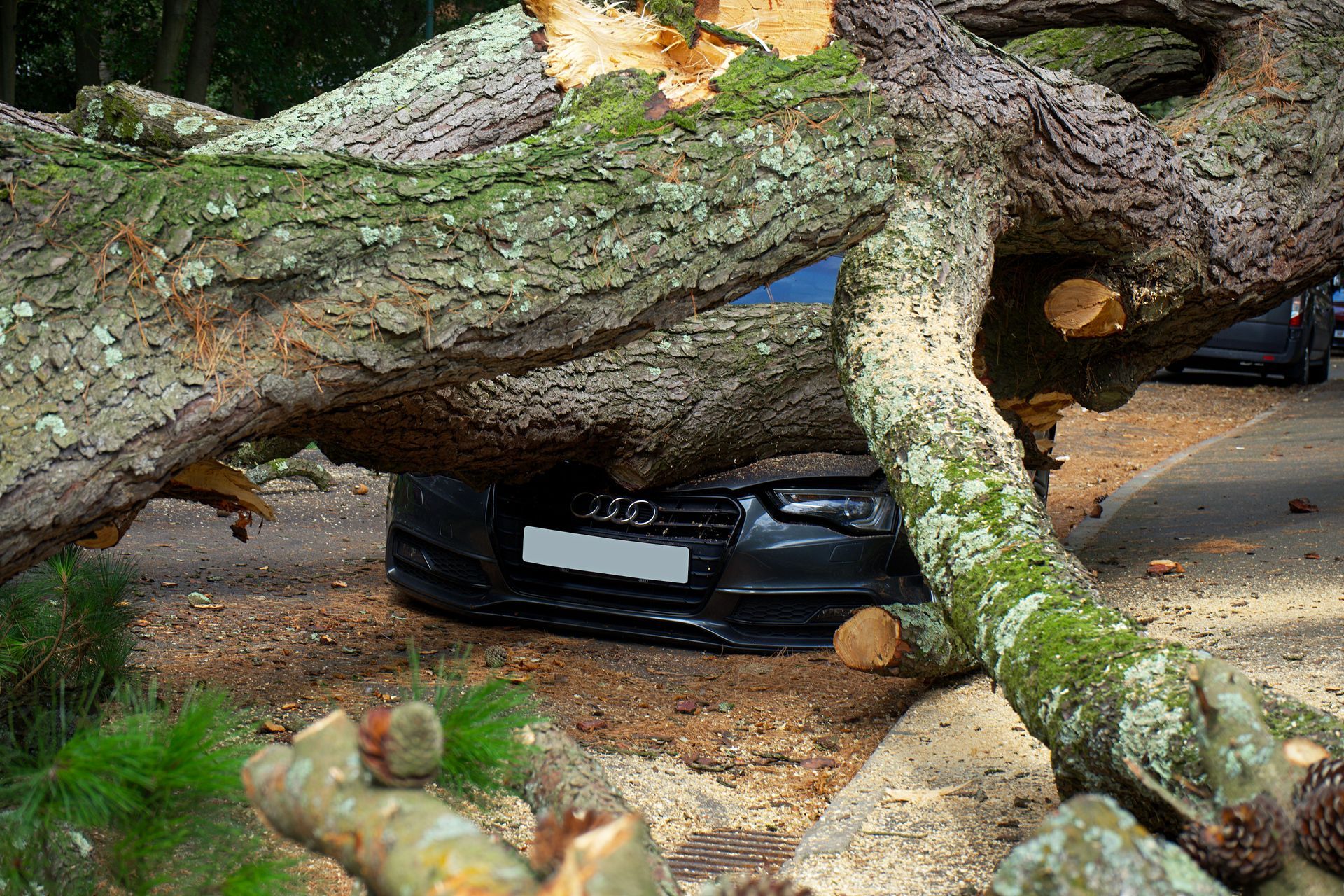
Percentage-based deductibles tied to wind, hail, and tornado claims convert into large out-of-pocket costs when severe weather damages a property, creating immediate financial strain before repairs even begin. A one percent deductible on a $400,000 home means $4,000 due upfront, and on a $2 million apartment building, that figure climbs to $20,000. Central States Insurance Brokers offers wind-hail-tornado deductible insurance in St. Louis to help offset these recovery costs for homeowners, landlords, apartment owners, and commercial property owners. This coverage pays the deductible amount when a covered weather event triggers a claim under the primary property policy, reducing the financial barrier to restoring damaged roofs, siding, windows, or structural components.
Standard homeowners and commercial property policies often include separate wind and hail deductibles calculated as a percentage of the insured property value rather than a flat dollar amount, reflecting insurers' responses to increased severe weather claim frequency in regions prone to hailstorms and tornado activity. The higher the property value, the larger the deductible becomes, and property owners without liquid reserves can struggle to fund repairs while waiting for insurance reimbursements.
Review your property policy deductibles to determine whether percentage-based wind and hail provisions create exposure that deductible insurance can address.
What Changes After Coverage Is in Place
Deductible insurance functions as a secondary policy that activates only when a covered wind, hail, or tornado event results in a claim under your primary property policy, paying the deductible amount directly so property owners can proceed with repairs without depleting emergency savings. The coverage amount matches the primary policy's percentage-based deductible, eliminating the gap between claim approval and out-of-pocket payment.
Once coverage is active, property owners facing storm damage file a claim with their primary insurer as usual, and if that claim is approved, the deductible policy reimburses the out-of-pocket amount. This removes the financial delay that can postpone roof replacements or siding repairs, allowing restoration work to begin immediately after adjusters complete inspections and approve estimates.
Premium costs for deductible insurance depend on property value, the percentage deductible in the underlying policy, and the property's location relative to severe weather patterns. Properties in areas with frequent hail or tornado activity typically see higher premiums, while structures with impact-resistant roofing or storm mitigation features may qualify for reduced rates.
Answers to Frequent Coverage Questions
Property owners evaluating deductible insurance want to understand how secondary coverage coordinates with existing policies and whether the added premium justifies the protection against large out-of-pocket expenses.
How does deductible insurance work with my existing homeowners policy?
Deductible insurance is a secondary policy that pays only after your primary property insurer approves a wind, hail, or tornado claim, reimbursing the percentage-based deductible amount so you can proceed with repairs without funding that cost yourself.
What types of weather events trigger this coverage?
Coverage applies specifically to wind, hail, and tornado damage—events that typically carry higher percentage-based deductibles—but does not cover standard perils like fire, theft, or water damage that use flat-dollar deductibles.
Why are wind and hail deductibles percentage-based in St. Louis?
Insurers use percentage deductibles in regions with elevated storm frequency to manage claims exposure, and St. Louis falls within a zone where severe thunderstorms produce large hail and occasional tornadoes, making flat-dollar deductibles financially unsustainable for carriers.
When does it make sense to purchase deductible insurance?
Property owners with high-value buildings, limited cash reserves, or income-producing properties where delayed repairs affect rental income benefit most, as a $15,000 or $25,000 deductible can disrupt finances or postpone critical restoration work.
Does this coverage require a separate claims process?
Yes, after your primary insurer approves the weather-related claim and establishes the deductible amount, you file a secondary claim with the deductible insurer, who then reimburses the out-of-pocket cost according to the policy terms.
Central States Insurance Brokers evaluates your property value, existing deductible structure, and risk tolerance to determine whether wind-hail-tornado deductible insurance provides financial protection that justifies the additional premium. Schedule a consultation to review your current property policy and explore available deductible coverage options tailored to your property type and investment strategy.