
Box Truck Insurance
Protection Structured for Delivery and Moving Operations
Box Truck Insurance in the St. Louis area for operators transporting goods, making deliveries, and providing moving services
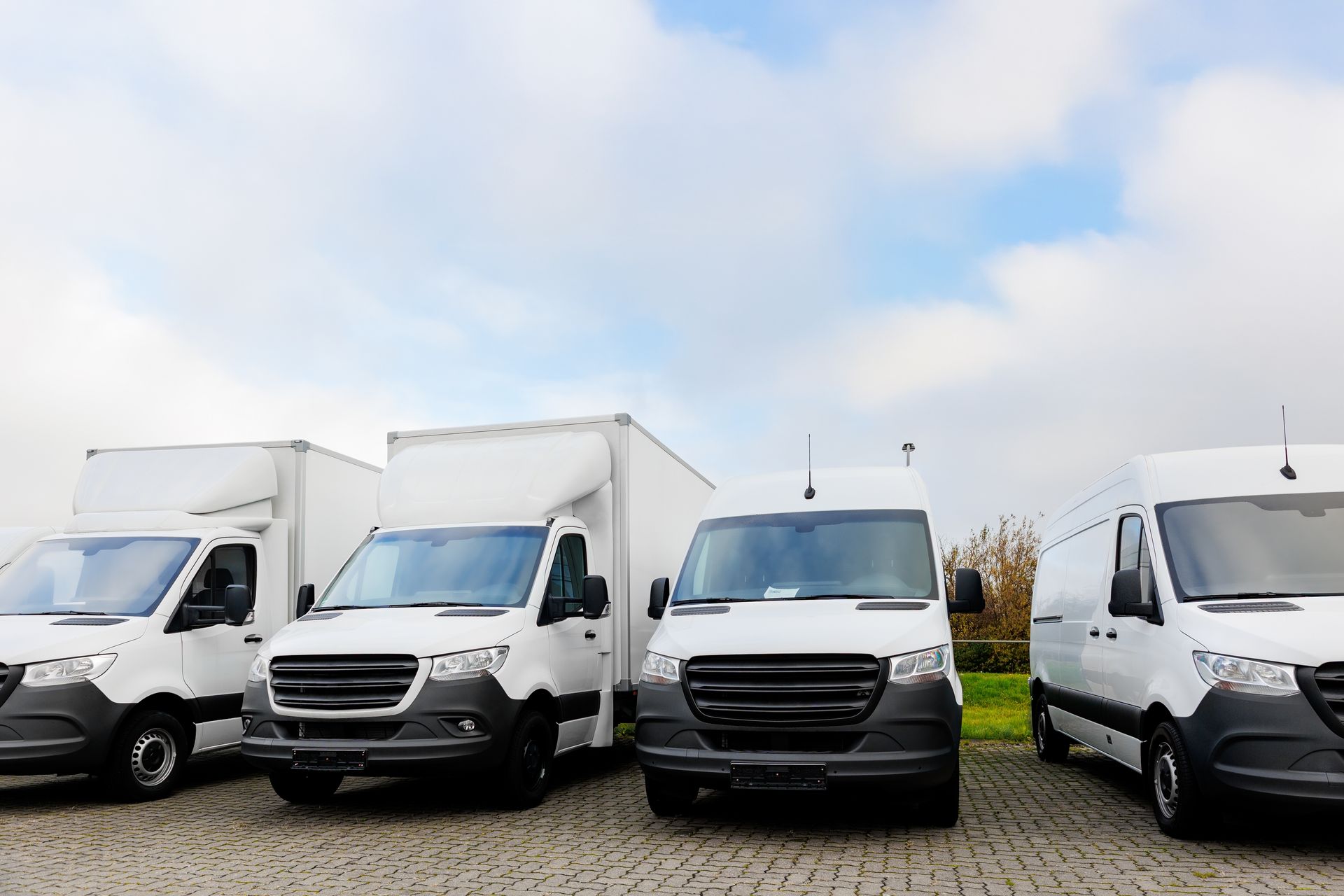
Box trucks used in delivery services, moving operations, and logistics support require commercial auto insurance structured for business cargo exposure and daily use patterns that exceed personal vehicle classifications. Central States Insurance Brokers addresses liability coverage, physical damage protection, and cargo-related risks specific to box truck operations in St. Louis, St. Charles, Chesterfield, and surrounding Missouri and Illinois communities, whether you operate a single vehicle as an owner-operator or manage multiple units serving regional delivery routes. Moving companies, delivery services, logistics providers, and businesses transporting inventory or customer goods each face operational risks that determine which coverage components provide adequate protection.
Liability coverage responds when your drivers cause accidents during business operations, paying for injuries and property damage up to policy limits. Physical damage coverage addresses collision and comprehensive losses to your box trucks, while cargo coverage protects goods you're transporting against damage or loss during loading, transit, and delivery.
Discuss your operation with an insurance advisor to evaluate coverage options based on cargo types and delivery frequency.
What Box Truck Operations Actually Require
Box truck policies account for factors including vehicle weight class, cargo types, radius of operation, and whether you transport goods for hire or as part of your own business operations. Vehicles under 26,001 pounds gross vehicle weight typically don't require federal filings but still need commercial coverage because personal auto policies exclude business use and cargo transport.
After coverage is established, your business operates with financial protection against liability claims that could otherwise drain operating capital and coverage that repairs or replaces damaged vehicles so delivery schedules continue without extended interruptions. Rental reimbursement provisions provide substitute vehicles while yours are being repaired, maintaining service continuity for time-sensitive delivery commitments.
Coverage flexibility addresses owner-operators starting with one vehicle and businesses scaling up to multi-truck fleets, with policies structured to add or remove vehicles as operations expand or contract seasonally. Proper cargo declaration matters because insurers price cargo coverage based on commodity types—household goods, retail inventory, and high-value electronics each carry different risk profiles that affect premium calculation and coverage terms.
Answers to Frequent Service Questions
Coverage requirements, cargo protection, and policy structure generate most questions when box truck operators evaluate insurance needs.
What determines whether I need commercial versus personal auto coverage?
If your box truck is titled to a business, used regularly for deliveries or moving services, or generates revenue through transportation services, commercial coverage is required because personal policies explicitly exclude business-use claims.
How does cargo coverage work for moving companies?
Cargo coverage for movers pays for damage to customers' household goods during loading, transit, and unloading, with coverage limits typically structured per shipment rather than as a single aggregate limit.
What physical damage coverage makes sense for older box trucks?
Collision and comprehensive coverage become less cost-effective as vehicles depreciate, with many operators dropping physical damage coverage once annual premiums exceed 10 to 15 percent of the truck's current market value.
When should I increase liability limits beyond state minimums?
Higher liability limits protect business assets if an accident causes serious injuries or involves multiple vehicles, with many St. Louis delivery operations carrying limits between 500,000 and one million dollars to address potential claim severity.
How do delivery routes affect insurance costs?
Local delivery operations within defined metropolitan areas typically cost less to insure than regional routes crossing multiple states, as underwriters price policies based on highway exposure, jurisdictional complexity, and total miles driven annually.
Central States Insurance Brokers evaluates box truck operations to structure coverage addressing your cargo types, delivery patterns, and fleet size. Schedule a review to compare policy options and verify your current coverage matches your operational exposure.