
Rental Property Insurance
Coverage Built for Property Investors
Rental Property Insurance in the St. Louis area for landlords protecting income-producing assets from tenant claims and property damage
Central States Insurance Brokers provides rental property insurance in St. Louis, St. Charles, Columbia, and surrounding Missouri and Illinois communities for landlords managing income-producing residential properties. This coverage addresses risks that standard homeowners insurance does not, including tenant-related liability claims and loss of rental income during covered repairs. Landlords who rely on consistent rental income need protection that recognizes how investment properties differ from owner-occupied homes.
Rental property insurance separates structure protection from liability and income coverage, allowing property owners to customize policies based on whether they manage a single rental home or multiple units. Tenant-related claims, such as injuries on the property or disputes over security deposits, create exposures that do not exist in traditional homeowner scenarios. Policies also account for periods when the property is between tenants or undergoing turnover maintenance.
Request a policy review to evaluate how your current coverage aligns with the specific risks of rental property ownership.

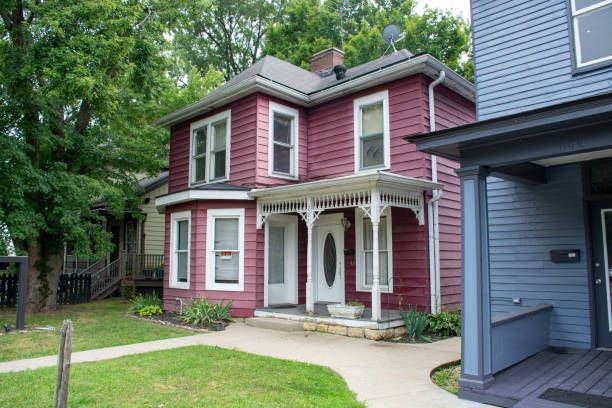
How Rental Property Insurance Protects Investment Performance
Rental property insurance combines building coverage with liability protection and optional loss-of-income endorsements that activate when a covered event makes the property uninhabitable. This structure ensures that landlords do not absorb the full financial impact of a fire, storm damage, or other covered loss that forces tenants to vacate temporarily. Loss-of-rental-income coverage replaces the monthly rent you would have collected during the repair period, preserving cash flow while restoration work proceeds.
After a policy is in place, landlords notice that tenant-related liability claims are addressed through dedicated coverage limits rather than relying on inadequate homeowner protections. Central States Insurance Brokers structures policies to reflect occupancy type, property age, and the number of units under management. The policy responds when a tenant is injured due to a covered hazard or when property damage requires significant repair, allowing landlords to maintain their investment timeline without depleting reserves.
Optional endorsements include coverage for vandalism during vacancy periods, sewer backup, and equipment breakdown for appliances provided with the rental. Multi-property owners can consolidate coverage under a single policy or manage each property separately depending on portfolio structure and risk tolerance.
What Landlords Ask About Coverage
Questions about rental property insurance often focus on how policies differ from standard homeowners coverage and what risks are unique to investment properties.
What does rental property insurance cover that homeowners insurance does not?
Rental property insurance includes liability protection for tenant-related claims, loss-of-rental-income coverage, and structure protection that accounts for non-owner occupancy, which standard homeowners policies exclude or severely limit.
How does loss-of-rental-income coverage work?
If a covered event such as fire or storm damage makes the property uninhabitable, this endorsement replaces the monthly rent you would have collected during the repair period, up to the policy limit and duration specified in your coverage.
What tenant-related risks does the policy address?
Policies cover liability claims arising from tenant injuries on the property, damage caused by tenant negligence that exceeds the security deposit, and legal defense costs for covered disputes, which are common landlord exposures in St. Louis rental markets.
Can I insure multiple rental properties under one policy?
Yes, multi-property landlords can consolidate coverage under a blanket policy or maintain separate policies for each property depending on portfolio size, property types, and risk management preferences.
What happens if the property is vacant between tenants?
Standard rental property policies may reduce or exclude coverage during vacancy periods, so landlords should discuss vacancy clauses and consider endorsements that maintain protection during turnover or seasonal vacancies.
Central States Insurance Brokers evaluates each landlord's portfolio to recommend coverage limits that reflect property value, rental income dependency, and liability exposure. Schedule a consultation to discuss how your current policy addresses the risks specific to rental property ownership.