
Vacant & Renovation Property Insurance
Specialized Coverage During Transitions
Vacant & Renovation Property Insurance in the St. Louis area for properties undergoing construction or between occupants
Standard property insurance policies reduce or exclude coverage when a home sits vacant for extended periods or undergoes renovation work, leaving owners exposed to vandalism, theft, weather damage, and liability claims during exactly the times when risk increases. Properties undergoing gut rehabs, room additions, or structural repairs face elevated hazards from exposed materials, contractor activity, and temporarily compromised building systems. Central States Insurance Brokers provides vacant and renovation property insurance in St. Louis, St. Charles, Columbia, and surrounding Illinois and Missouri communities for investors, house flippers, and homeowners managing construction projects or prolonged vacancies.
Vacant and renovation property insurance addresses risks that arise when a building is unoccupied or under active construction, including vandalism, copper theft, frozen pipe damage, and contractor-related liability. Policies are customized based on vacancy duration, renovation scope, and whether the property will return to owner occupancy or rental use after work completes.
Schedule a consultation to review your property's current status and confirm whether standard coverage remains active during your renovation or vacancy period.
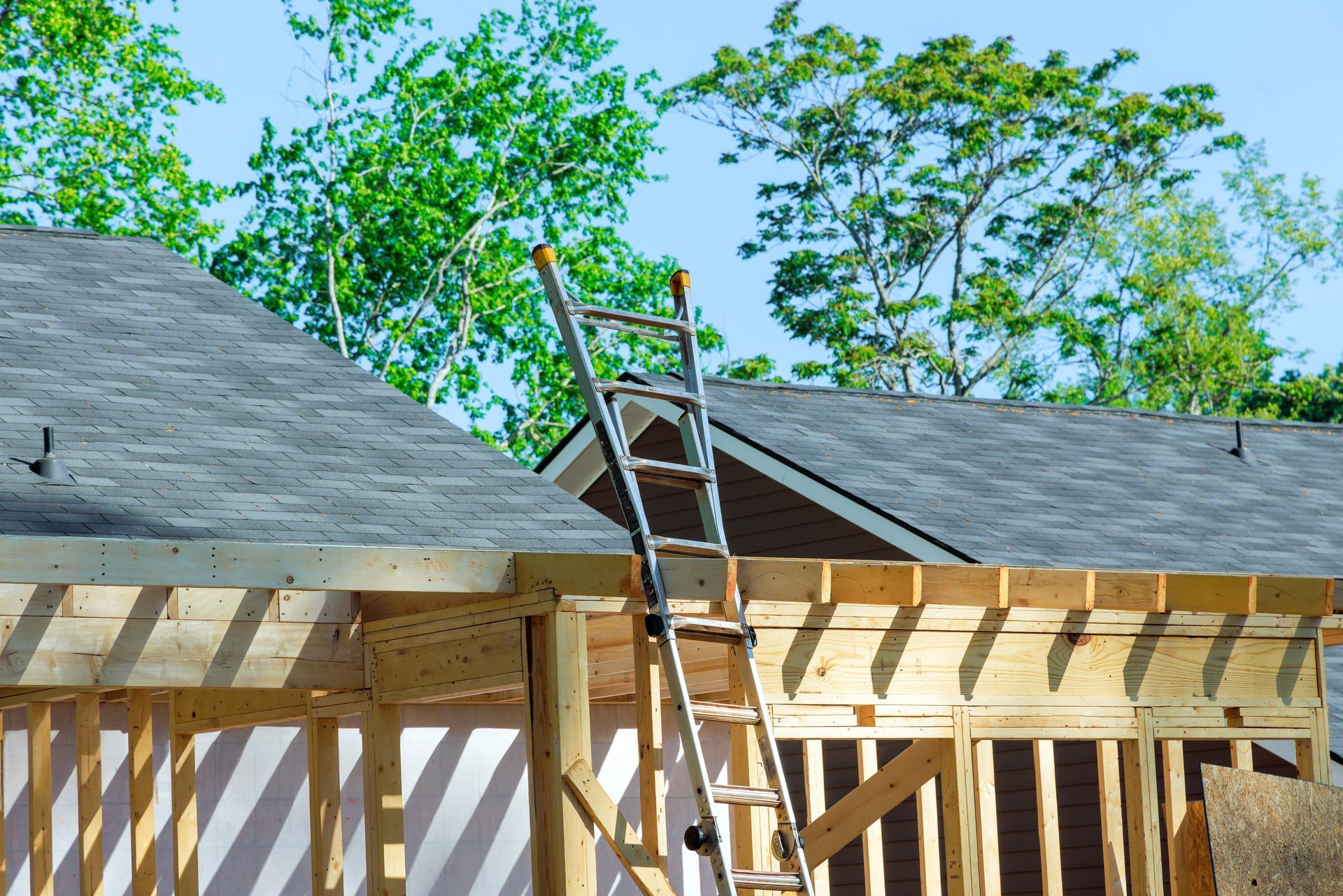
Why Vacant Properties Require Different Protection
Vacant and renovation property insurance policies account for the increased hazards that occur when a building is unoccupied or undergoing construction. Standard homeowners and rental property policies typically suspend coverage or apply exclusions after thirty to sixty days of vacancy, recognizing that unoccupied buildings face higher risks of vandalism, theft of materials such as copper piping, and weather-related damage that goes undetected without regular occupant monitoring. Renovation projects introduce additional exposures from contractor activity, open walls, and temporarily disabled utilities such as heating systems that protect against freeze damage.
After securing specialized coverage, property owners notice that claims related to break-ins, material theft, or weather damage during the renovation period are addressed through the policy rather than denied due to vacancy exclusions. The policy responds when vandals damage walls, thieves remove copper plumbing or HVAC components, or frozen pipes burst because heating systems were turned off during construction. Liability protection remains active if contractors or trespassers are injured on the property during the vacancy or renovation period.
Coverage terms depend on project scope, with light cosmetic work such as painting requiring different policy structures than major renovations involving structural changes, roof replacement, or complete gut rehabs. Policies may require periodic property inspections, security measures such as boarding windows, or documentation of contractor insurance to maintain coverage eligibility.
Questions Before Starting Your Project
Property owners managing vacant homes or renovation projects often ask how coverage works and what risks are excluded under standard policies.
When does a property become considered vacant?
Most insurers define vacancy as occurring when a property has been unoccupied for thirty to sixty consecutive days with no furnishings or regular occupant activity, triggering coverage exclusions or requiring specialized vacant property insurance.
What risks are excluded under standard policies during renovation?
Standard homeowners and rental property policies often exclude coverage for vandalism, theft, and weather-related damage once the property is vacant beyond the policy's vacancy threshold or when major construction work disables building systems such as heating or plumbing.
What does renovation property insurance cover?
Policies cover the structure and materials against vandalism, theft, fire, and weather damage during construction, plus liability protection for contractor injuries or accidents, ensuring that renovation projects in St. Louis do not create uninsured exposure periods.
How long can a property remain vacant under this coverage?
Vacant property insurance can typically be written for six to twelve months depending on the insurer, with options to extend coverage if the project timeline or vacancy period exceeds the initial policy term.
What security measures are required to maintain coverage?
Insurers may require properties to be secured with locked doors and windows, regular inspections, and in some cases boarding of openings or installation of security systems to reduce vandalism and theft risk during extended vacancies.
Central States Insurance Brokers evaluates renovation scope, vacancy duration, and property condition to recommend coverage that protects your investment during construction or between occupants. Reach out to discuss your property's specific situation and receive a quote tailored to your project timeline.