
Motorcycle Insurance
Liability and Collision Protection for Riders
Motorcycle Insurance for street-legal bikes facing collision risk and theft exposure
Motorcycles lack the structural protection of enclosed vehicles, leaving riders more vulnerable to severe injuries during collisions and more exposed to theft when parked in public areas overnight. Liability coverage responds when you cause accidents injuring other motorists or damaging their vehicles, while collision protection pays for repairs to your bike after single-vehicle crashes or impacts with other traffic. Central States Insurance Brokers arranges motorcycle insurance through multiple carriers, allowing riders to compare premiums and coverage limits that address both daily commuting and recreational weekend use.
Policies account for engine displacement, the bike's age and replacement cost, and whether you installed aftermarket exhaust systems or custom paint that increase the vehicle's value beyond stock configurations. Comprehensive coverage addresses theft losses common in urban areas where bikes park on streets without garage protection, plus damage from vandalism, fire, or hailstorms when motorcycles sit exposed at outdoor events.
Request a quote that includes optional accessory coverage for helmets, riding gear, and custom parts exceeding standard policy limits for motorcycle owners in St. Louis, Columbia, Florissant, and neighboring Missouri and Illinois communities.
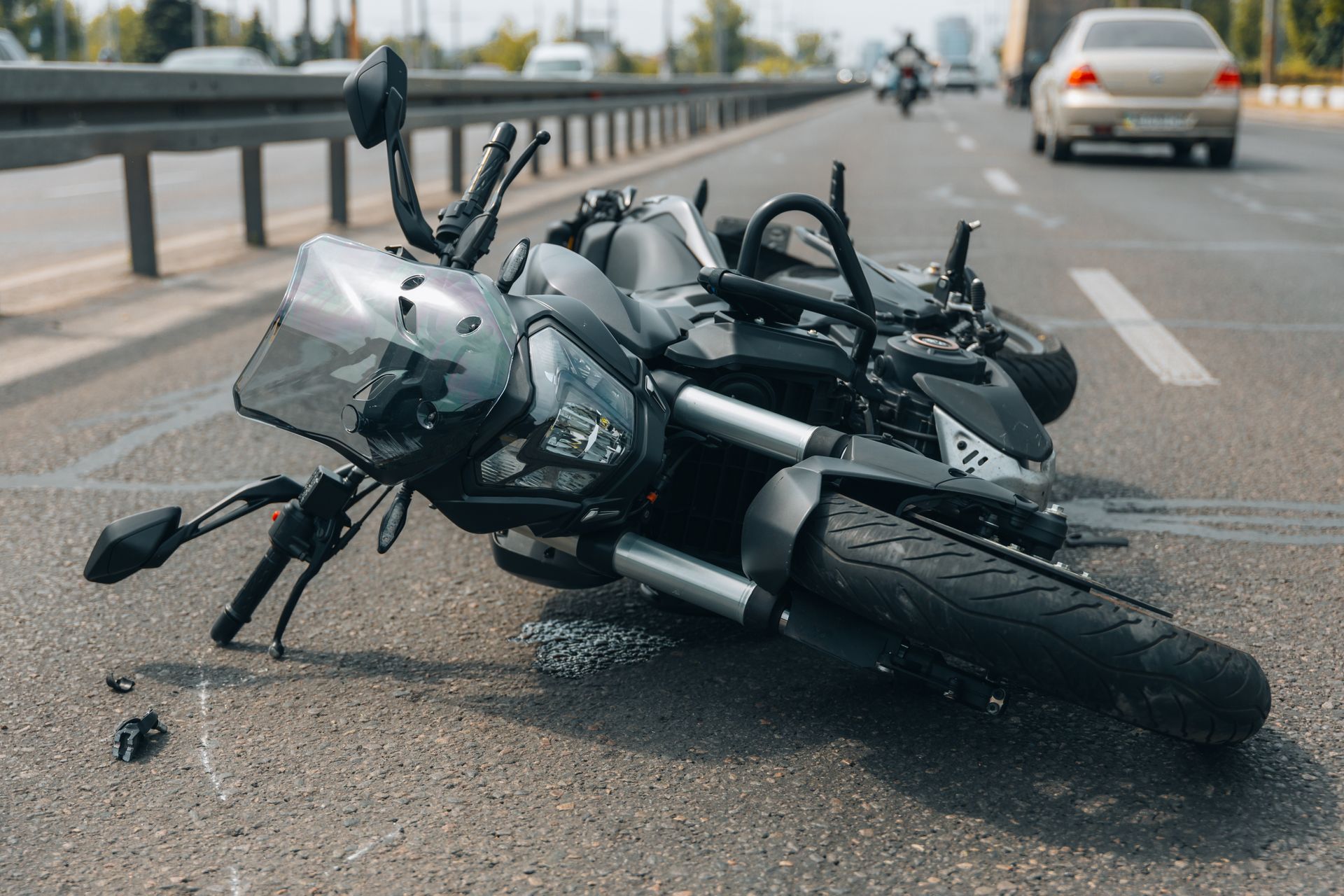
How Motorcycle Policies Address Road Risks
Insurers evaluate rider experience, claims history, and the motorcycle's performance capabilities when underwriting policies, recognizing that high-horsepower sport bikes driven by newer riders present different risk profiles than cruisers operated by experienced motorcyclists. Coverage structures include bodily injury liability that pays medical costs and lost wages for others you injure in accidents, property damage liability covering vehicles and structures you damage, and uninsured motorist protection that responds when hit-and-run drivers or uninsured operators cause collisions.
After purchasing coverage, you receive documentation confirming liability limits meeting state requirements, collision and comprehensive deductibles that apply when filing claims, and clarification on whether the policy covers passenger injuries or only the operator. Riders notice that premiums decrease as bikes age and depreciate, though collision coverage becomes less valuable when the motorcycle's actual cash value drops below the cost of annual premiums plus deductibles.
Accessory coverage extends protection beyond the base motorcycle to include saddlebags, custom seats, upgraded suspension components, and aftermarket electronics that standard policies exclude or cap at low dollar limits. Insurers require receipts or photos documenting these additions before issuing endorsements, ensuring you receive adequate reimbursement if theft or total loss occurs following a severe crash.
What Riders Usually Ask
Motorcyclists comparing insurance options often seek clarity on how policies respond to accidents, theft, and custom modifications before selecting coverage terms.
What does comprehensive coverage pay for beyond collision damage?
Comprehensive responds to theft when bikes disappear from parking areas or garages, fire damage from electrical failures or arson, vandalism such as scratched paint or slashed seats, and weather losses including hail dents or flood damage when storms trap motorcycles in low-lying areas. It covers perils other than collision with vehicles or objects.
How do insurers handle claims for custom parts and accessories?
Standard policies limit accessory coverage to one thousand or three thousand dollars unless you purchase additional endorsements specifying higher values for custom exhausts, performance air filters, paint jobs, or chrome upgrades. You submit receipts and pre-loss photos when filing claims to prove the modifications existed and their installed cost.
What protection exists if an uninsured driver hits you?
Uninsured motorist coverage pays for your medical expenses, lost income during recovery, and motorcycle repairs when drivers without liability insurance cause accidents. It also responds to hit-and-run incidents where you cannot identify the at-fault party, filling gaps left by drivers who flee collision scenes or operate vehicles illegally without coverage.
How does riding seasonally affect premium costs?
Many carriers offer lay-up periods during winter months when you store the motorcycle and do not ride, allowing you to suspend collision coverage while maintaining comprehensive protection against theft or garage fires. This reduces annual premiums for riders in regions where snow and freezing temperatures make motorcycling impractical several months yearly.
What happens if you loan your motorcycle to another rider?
Your liability and physical damage coverage typically extends to permissive users operating your bike with consent, though insurers investigate whether the borrower held a valid motorcycle endorsement on their license at the time of the accident. Claims can become complicated if the rider exceeded your stated permission or used the bike for purposes you did not authorize, such as racing or stunt riding.
Central States Insurance Brokers compares motorcycle policies across carriers offering competitive rates for cruisers, sport bikes, touring models, and scooters, with options covering liability, collision, comprehensive protection, and custom accessory values. Reach out to review coverage aligned with how often you ride and whether you require protection for aftermarket modifications.