
Trucking Insurance
Liability Protection Designed for Highway Freight Operations
Trucking Insurance in the St. Louis area for owner-operators and motor carriers meeting federal and state insurance requirements
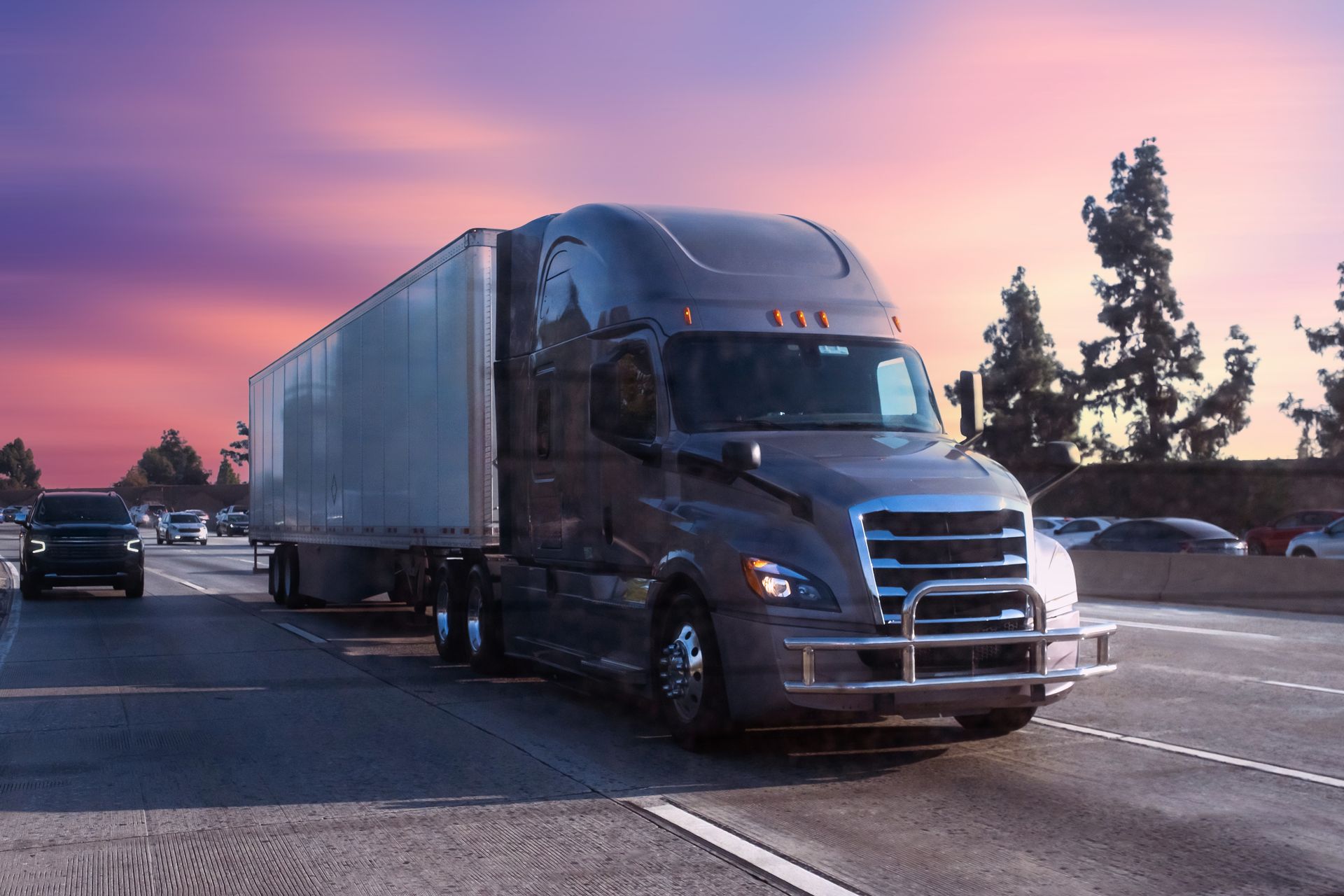
Highway freight operations face mandatory insurance requirements under federal motor carrier regulations, with minimum liability limits determined by cargo type and gross vehicle weight. Central States Insurance Brokers provides trucking and box trucking insurance that addresses primary liability, physical damage to equipment, cargo coverage, and transportation-specific exposures for owner-operators and trucking companies operating in St. Louis, Clumbia, Florissant, and across regional or long-haul routes. The Federal Motor Carrier Safety Administration requires motor carriers to maintain continuous coverage at specified limits, with filings verified through the system before operating authority is granted or maintained.
Primary liability coverage pays for bodily injury and property damage your drivers cause during transit, with minimum limits ranging from 750,000 dollars for general freight to higher amounts for hazardous materials transport. Physical damage coverage addresses collision and comprehensive losses to your tractors and trailers, while cargo coverage protects the freight you're hauling against damage or loss during loading, transit, and unloading.
Request a customized quote to structure coverage that meets your operating authority requirements and equipment values.
Why Federal Filings and Continuous Coverage Matter
Trucking policies include filings submitted directly to federal and state authorities to verify continuous coverage, with lapses triggering automatic suspension of operating authority until compliant coverage is reinstated. Policies must name the motor carrier correctly as shown on Department of Transportation records, list proper commodity classifications, and reflect accurate radius-of-operation designations that affect rating and compliance.
Central States Insurance Brokers helps transportation businesses protect equipment investments and revenue streams against losses that would otherwise halt operations. Once coverage is in place, your authority remains active without filing gaps, and you operate with protection against liability claims that can reach into millions of dollars following serious highway accidents involving multiple vehicles or significant injuries.
Risk management considerations include driver qualification files, hours-of-service compliance, vehicle maintenance records, and cargo securement practices, all of which insurers evaluate during underwriting and which affect both premium costs and claims outcomes. Long-haul operations crossing multiple states require policies that provide coverage across all operating jurisdictions, while regional carriers operating within defined territories may qualify for more favorable rating structures.
Common Questions from Trucking Professionals
Federal requirements, coverage limits, and policy structure generate most inquiries when trucking operations evaluate insurance options.
What is an MCS-90 endorsement and why does my policy require it?
The MCS-90 endorsement guarantees that your insurer will pay federally mandated minimum liability amounts even if policy exclusions would otherwise apply, protecting the public while preserving the insurer's right to seek reimbursement from you for excluded claims.
How does cargo coverage differ from liability coverage?
Cargo coverage pays for damage to freight you're transporting under your care, while liability covers damage you cause to other people's property or injuries to third parties, making them separate and non-overlapping protections.
What physical damage deductibles make sense for owner-operators?
Higher deductibles reduce premiums but increase out-of-pocket costs after accidents, with most owner-operators in St. Louis balancing deductibles between 1,000 and 2,500 dollars depending on equipment age and cash reserves.
When do I need motor truck cargo coverage versus freight broker liability?
Motor carriers transporting freight need cargo coverage, while freight brokers arranging transportation without physically hauling loads need contingent cargo and broker liability coverage instead.
How do safety scores affect trucking insurance premiums?
Federal safety ratings from roadside inspections and crash records directly impact underwriting decisions and premium costs, with carriers maintaining clean CSA scores qualifying for more competitive rates than those with multiple safety violations.
Central States Insurance Brokers structures trucking coverage that maintains federal compliance while protecting your equipment and freight operations. Arrange a consultation to review your current filings and evaluate coverage options based on your commodity types and operating radius.