
RV Insurance
Protecting Motorhomes During Travel and Downtime
RV Insurance for travel trailers and motorhomes used seasonally or as primary residences
Recreational vehicles face risks that differ from standard auto exposure because they serve as temporary living spaces containing furnishings, appliances, and personal belongings while traveling long distances on highways. Central States Insurance Brokers structures RV insurance with liability coverage for accidents involving other motorists, collision protection for damage sustained during transit, and comprehensive coverage addressing theft or weather losses when units sit parked at campsites or storage facilities. Policies adjust based on whether you use the RV occasionally for weekend trips or live in it full-time as a primary residence.
Coverage responds when slide-outs malfunction and damage adjacent vehicles in campgrounds, awnings tear away during windstorms, or refrigerators and water heaters fail and cause interior water damage while parked overnight. Full-time RV owners require additional endorsements that function similarly to homeowners policies, covering personal liability for injuries occurring inside the unit and loss of use expenses when repairs force temporary hotel stays.
Compare coverage options tailored to how many months annually you travel and whether you tow the RV or drive a motorized unit in St. Louis, Chesterfield, St. Charles, and surrounding communities in Missouri and Illinois.
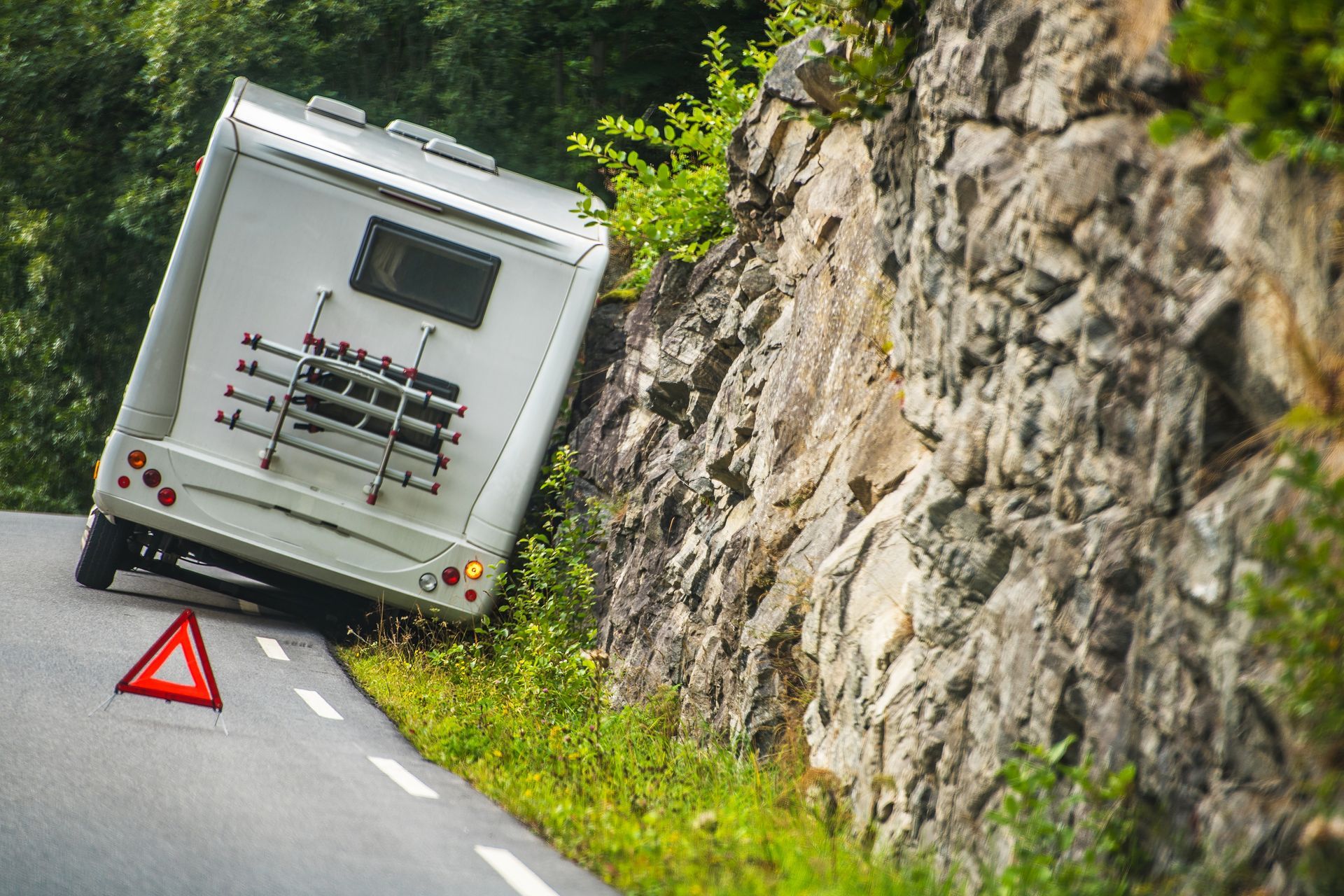
What Changes After Binding RV Coverage
RV policies account for vehicle length, gross weight, engine type, and whether you pull a travel trailer with a pickup truck or operate a Class A motorhome with air brakes and diesel engines. Insurers evaluate the unit's age, whether it includes slide-outs that expand living space, and your planned travel radius to determine premiums reflecting both road risk and the value of personal property stored inside.
Once coverage activates, you carry proof of insurance meeting state minimum liability limits, receive declarations outlining collision and comprehensive deductibles, and access emergency roadside assistance that dispatches tow trucks equipped to handle vehicles exceeding standard passenger car dimensions. Policies clarify whether coverage extends to attached items like bike racks and satellite dishes or personal belongings kept inside cabinets and storage compartments during transit.
Full-timers benefit from endorsements covering personal liability when guests visit the RV at campsites, medical payments for injuries sustained inside the unit, and additional living expenses if fire or collision damage renders the vehicle uninhabitable for weeks during repair work. Seasonal travelers can exclude certain coverages during months the RV sits unused in storage to reduce annual premiums without leaving the unit entirely uninsured against theft or storm damage.
Answers to Frequent Service Questions
Owners evaluating RV insurance often need clarity on how policies differ from standard auto coverage and what protection applies during various usage scenarios.
How does collision coverage work when towing a travel trailer?
Collision coverage on your towing vehicle typically pays for damage to the truck or SUV after accidents, while a separate RV policy covers the trailer itself for collision losses. If you jackknife the trailer during a turn and damage both vehicles, two policies respond with separate deductibles applying to each unit.
What protection exists for personal belongings stored inside the RV?
Comprehensive coverage includes personal property like clothing, cookware, and electronics up to a specified limit, usually ranging from two thousand to five thousand dollars depending on the policy. High-value items like jewelry or firearms often require scheduled endorsements with appraisals to receive full replacement cost after theft or fire.
How do insurers handle claims for awning or slide-out damage?
Comprehensive coverage pays for repairs when awnings tear during windstorms or slide-outs jam due to mechanical failure, subject to your deductible. Insurers review whether damage resulted from a covered peril like hail or an excluded maintenance issue such as worn seals that allowed water infiltration over multiple seasons.
What happens if the RV becomes uninhabitable during a long trip?
Loss of use coverage reimburses hotel and meal expenses when covered losses like fire or collision damage force you to vacate the RV during repairs. Policies specify daily limits and maximum time periods, typically covering reasonable costs until the unit returns to habitable condition or insurers declare it a total loss.
How does full-time RV living affect coverage requirements?
Full-timers need endorsements that replace homeowners insurance functions, including higher liability limits for injuries occurring inside the unit, expanded personal property coverage, and protection for additional structures like attached storage sheds at long-term sites. Standard recreational-use policies exclude or severely limit coverage when the RV serves as a permanent residence.
Central States Insurance Brokers evaluates your travel frequency, RV type, and whether you use the vehicle seasonally or year-round to recommend policies balancing liability protection with coverage for collision, theft, and living expenses during claim repairs. Contact an advisor to review options suited to motorhomes, fifth wheels, or travel trailers based on your specific usage patterns.